



Pediatric Pulp and Nerve Treatment in Granville, OH
Airway Focused Pediatric Dentistry in Granville, OH

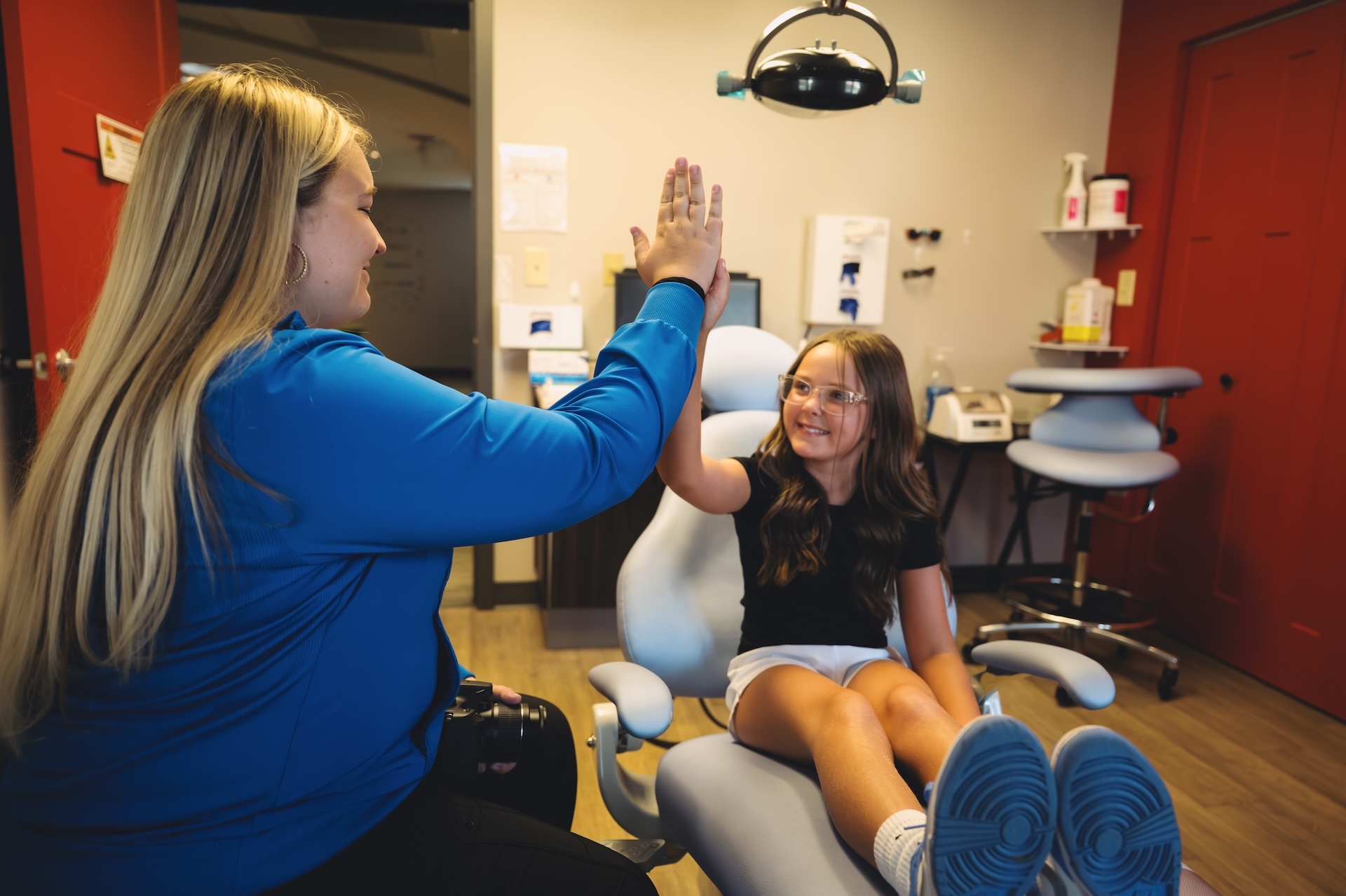

When your child wakes up crying at 2 AM with tooth pain that won't respond to children's Tylenol, you're witnessing their body's alarm system signaling that infection has reached the nerve tissue deep inside their tooth. At Granville Pediatric Dentistry, Dr. Matthew Pingel understands that this isn't just discomfort - it's a dental emergency that requires our specialized pediatric pulp therapy to eliminate the infection while preserving their natural tooth structure until it's ready to fall out naturally.
Quick Overview:
- Pediatric pulp therapy: Removes infected nerve tissue from children's teeth while preserving the tooth until natural shedding
- Three treatment types: Pulp caps for minor exposure, pulpotomy for moderate infections, and pulpectomy for severe cases
- Comfort-focused approach: Modern techniques make the procedure comfortable for children with proper anesthesia and pediatric dental sedation options
- Protective crowns: Stainless steel crowns protect treated teeth and typically last until the tooth naturally falls out
What Is Pediatric Pulp Therapy for Kids' Tooth Infections?
Pediatric pulp therapy treats infected or inflamed nerve tissue inside your child's developing teeth. The pulp contains nerves, blood vessels, and connective tissue that help the tooth develop and stay healthy - when decay reaches this inner chamber or trauma damages the tooth, bacteria create painful infections that demand immediate attention.
Unlike adult root canals, we design pediatric pulp treatment specifically for children's developing teeth and their unique psychological needs. Dr. Pingel and our experienced team have three main approaches depending on infection severity:
Pulp Cap Treatment: For minor nerve exposure from small cavities, we place calcium hydroxide medication directly on the affected area to promote healing and seal the exposure
Pulpotomy (Baby Root Canal): For moderate infections, we remove the infected crown portion of the nerve while preserving healthy root tissue, then place formocresol or ferric sulfate medication. This is sometimes called a baby root canal.
Pulpectomy: In severe cases, we remove all infected pulp tissue from both crown and roots, then fill the space with zinc oxide eugenol paste that resorbs naturally as the permanent tooth develops
Baby Root Canal vs Pulp Cap Treatment for Toddlers
Understanding these treatment differences helps you know what to expect for your toddler's specific situation.
Pulp Cap Treatment works best for toddlers with small cavities that barely expose the nerve. The procedure takes 15-20 minutes, involves minimal tissue removal, and achieves 85-90% success rates when the exposure is tiny. We simply clean the area and place protective medication over the exposed nerve tissue.
Baby Root Canal (Pulpotomy) becomes necessary when infection has spread deeper into the nerve chamber. This 30-45 minute procedure removes infected tissue from the tooth's crown portion while preserving healthy root tissue. Success rates reach 90-95% when we perform treatment promptly, and the tooth typically functions normally until natural shedding occurs.
For toddlers specifically, our team uses extra gentle techniques, shorter appointment times, and often recommends nitrous oxide to keep them comfortable and cooperative throughout treatment.
Signs Your Child Needs Emergency Dental Nerve Treatment
Recognizing these urgent symptoms can prevent serious complications and reduce your child's suffering. Contact our Granville office immediately if your child experiences:
- Severe nighttime pain: Throbbing pain that wakes your child from sleep and doesn't respond to children's Tylenol or Motrin
- Facial swelling: Puffiness around the jaw, cheek, or eye area that develops rapidly and may feel warm to touch
- Fever with tooth pain: Temperature above 100.4°F combined with dental discomfort indicates spreading infection
- Visible gum abscess: A white, yellow, or red bump on the gums that may leak pus or blood when pressed
- Tooth discoloration: Gray, brown, or black coloring that appears suddenly, indicating nerve death
- Refusal to eat: Complete avoidance of chewing or drinking, especially cold liquids that cause immediate sharp pain
What Happens If Child Tooth Infection Spreads Untreated?
Untreated tooth infections in children can escalate into serious medical emergencies requiring hospitalization. The infection spreads through facial tissues, causing cellulitis that makes swallowing and breathing difficult - in severe cases, bacteria enter the bloodstream, leading to sepsis.
Beyond immediate health risks, untreated infections damage the developing permanent tooth underneath the baby tooth. This causes permanent teeth to erupt with white or brown spots, irregular shapes, or delayed development. Additionally, premature loss of infected baby teeth creates spacing problems that require orthodontic treatment later.
The infection can also spread to neighboring teeth, turning a single tooth problem into multiple extractions and extensive dental work. Early intervention with pulp therapy prevents these cascading complications while preserving your child's natural smile development.
Is Pulp Therapy Painful for 5-Year-Old Children?
Modern pediatric pulp therapy is designed to be comfortable for 5-year-olds through our systematic pain management approach. At Granville Pediatric Dentistry, we understand that what makes us different is our commitment to making every child feel safe and comfortable.
- Before Treatment: We apply topical numbing gel for 2-3 minutes to make the injection site completely numb. We use the smallest needles available and inject slowly to minimize any discomfort.
- During Treatment: Local anesthesia ensures your child feels no pain during the procedure. Nitrous oxide (laughing gas) helps anxious 5-year-olds relax and makes the experience feel shorter. Many children watch cartoons or listen to music during treatment.
- After Treatment: Most children report immediate relief since we've removed the infected tissue causing their pain. Any mild soreness typically resolves within 24-48 hours with children's ibuprofen.
The key is explaining the procedure in age-appropriate terms: "We're going to clean out the germs that are making your tooth hurt, just like cleaning a cut on your knee."
Stainless Steel Crown After Pediatric Root Canal Procedure
Stainless steel crowns are essential after pediatric pulp therapy because treated teeth become more brittle and prone to fracture. These pre-formed crowns provide complete protection and restore full chewing function.
- Placement Process: We shape the treated tooth, select the properly sized crown, and cement it in place during the same appointment or within one week. The entire crown placement takes 15-20 minutes.
- Durability and Function: Stainless steel crowns withstand normal chewing forces and last until the baby tooth naturally falls out - typically 2-6 years depending on the tooth's location. They require no special care beyond regular brushing and flossing.
- Appearance: While silver in color, these crowns are placed on back teeth where they're less visible. For front teeth, we offer white-faced crowns that look more natural while providing the same protective benefits.
How Much Does Pediatric Pulp Therapy Cost Without Insurance?
Without insurance, pediatric pulp therapy costs vary based on treatment complexity:
- Pulp Cap Treatment: Investment ranges from $200-$300 for simple cases with minimal nerve exposure
- Pulpotomy (Baby Root Canal): Costs typically range $300-$500 depending on tooth location and complexity
- Stainless Steel Crown: Additional $250-$400 to protect the treated tooth structure
- Total Investment: Complete treatment including crown placement ranges $450-$900
While this represents a significant investment, it's typically 40-60% less expensive than extraction followed by space maintainer placement. We offer several payment options to help families manage treatment costs:
- Interest-free payment plans: Spread costs over 6-12 months with no additional fees
- CareCredit financing: Extended payment terms up to 24 months for qualifying families
- Cash discounts: Percentage reduction for payment in full at time of service
- Family plan pricing: Reduced rates when multiple children need treatment
Does Delta Dental Cover Pediatric Endodontic Treatment?
Delta Dental typically provides excellent coverage for pediatric pulp therapy, recognizing it as medically necessary treatment. Most Delta Dental plans offer coverage for:
- Pulp therapy procedures: Coverage typically ranges from 70-80% of treatment costs after deductible
- Stainless steel crowns: Usually covered at 50-70% as major restorative treatment
- Emergency visits: Most plans cover urgent care appointments at 80-100% to encourage prompt treatment
- Diagnostic X-rays: Typically covered at 100% for treatment planning and follow-up monitoring
At Granville Pediatric Dentistry, we're in network with Delta Dental on a referral basis, which means we can provide treatment with your existing coverage. We'll verify your specific benefits before treatment and provide accurate cost estimates based on your plan's coverage levels.
How Long Does Baby Tooth Pulp Therapy Take to Heal?
Healing from pediatric pulp therapy occurs in predictable stages, with most children experiencing significant improvement within the first week.
Immediate Recovery (24-48 hours): Your child may experience mild soreness as the anesthesia wears off. This discomfort is typically less severe than the original tooth pain and responds well to children's ibuprofen. Most children can return to normal activities the next day.
Short-term Healing (1-2 weeks): The treated tooth settles into its new state, with any residual sensitivity disappearing completely. We recommend soft foods for the first few days, then gradual return to normal diet as comfort allows.
Long-term Success (2-6 years): Successfully treated teeth function normally until natural shedding occurs. We monitor these teeth at regular checkups to ensure continued health and proper development of the permanent tooth underneath.
Signs of successful healing include absence of pain, normal chewing function, and healthy gum tissue around the treated tooth. If you notice persistent pain, swelling, or other concerning symptoms beyond the first week, contact our office for evaluation.
Schedule Your Child's Pediatric Pulp Therapy Consultation
Dr. Matthew Pingel and our compassionate team at Granville Pediatric Dentistry specialize in gentle, effective pulp therapy that eliminates infection while preserving your child's natural smile development.
We understand that dental emergencies create stress for the entire family. That's why we offer same-day emergency appointments and work with your schedule to provide prompt relief. Our comprehensive pediatric dental care approach ensures your child receives the most appropriate treatment for their specific situation.
Located conveniently in Granville, Ohio, we serve families throughout the greater Columbus area with specialized pediatric dentistry focused on airway development and optimal oral health. Contact our office today at (740) 587-7000 to schedule your child's consultation, or visit our website to learn more about our patient-centered approach to pediatric dental care.