




What to Do If Your Child Dreads the Dentist
For some families, dental anxiety begins before the appointment even starts. Your child sees the office, bursts into tears, or refuses to get out of the car. Others become quiet the moment they sit in the chair, clamping their mouth shut or pulling away from anyone who gets too close. Sometimes it follows a difficult experience at another office. Other times, it's simply fear of the unknown.
If you've found yourself wondering how you're ever going to get your child through a dental visit, you're not alone. Dental anxiety is common in children, and it's something pediatric dentists are specifically trained to recognize and manage.
Helping anxious children doesn't usually come down to a single technique. Pediatric dentists use age-appropriate communication, child-friendly environments, gradual pacing, and trust-building strategies to help children feel safe throughout their visit. For some kids, that's all they need. Others may benefit from additional comfort measures depending on their age, personality, and treatment needs.
In this guide, we'll explain why dental anxiety develops, the techniques pediatric dentists use to reduce fear, and how a positive early experience can help children build confidence in dental care for years to come.
Key Takeaways
- Dental anxiety is common in children and often stems from unfamiliar experiences, loss of control, or a previous negative dental visit.
- Pediatric dentists use age-appropriate communication techniques, including Tell-Show-Do, to help children understand what to expect before treatment begins.
- Moving at a child's pace, offering breaks, and building trust over multiple visits can significantly reduce fear and improve cooperation.
- A child-friendly environment and minimally invasive approach can help create positive dental experiences that build confidence over time.
- Every anxious child is different, so successful anxiety management starts with understanding their individual needs rather than using the same approach for everyone.
Why Dental Anxiety in Children Is So Common
Dental anxiety is one of the most common concerns parents bring up, and it's easy to understand why. From a child's perspective, a dental office is full of unfamiliar sights, sounds, and sensations. They're asked to sit still while someone they don't know works inside one of the most sensitive parts of their body, often without fully understanding what's happening or why.
For young children, uncertainty can feel overwhelming. They may hear unfamiliar instruments, see bright lights overhead, or notice unusual tastes and vibrations. Even if nothing hurts, simply not knowing what comes next can make an otherwise routine visit feel intimidating.
The mouth also plays a unique role in a child's development. It's essential for eating, speaking, and exploring the world from infancy onward, so children naturally become protective of it. When an uncomfortable experience happens there, it's often remembered much more vividly than experiences involving other parts of the body.
Previous experiences matter, too. A difficult appointment, whether at the dentist or during another medical visit, can shape how a child approaches future care. Some children become anxious after a single unpleasant experience, while others develop fear simply by anticipating the unknown.
Recognizing where that anxiety comes from allows parents and pediatric dental teams to respond with patience instead of frustration. When children feel understood and supported, it's often much easier for them to build confidence with each visit.
Tell-Show-Do: Helping Children Feel Comfortable With the Unknown
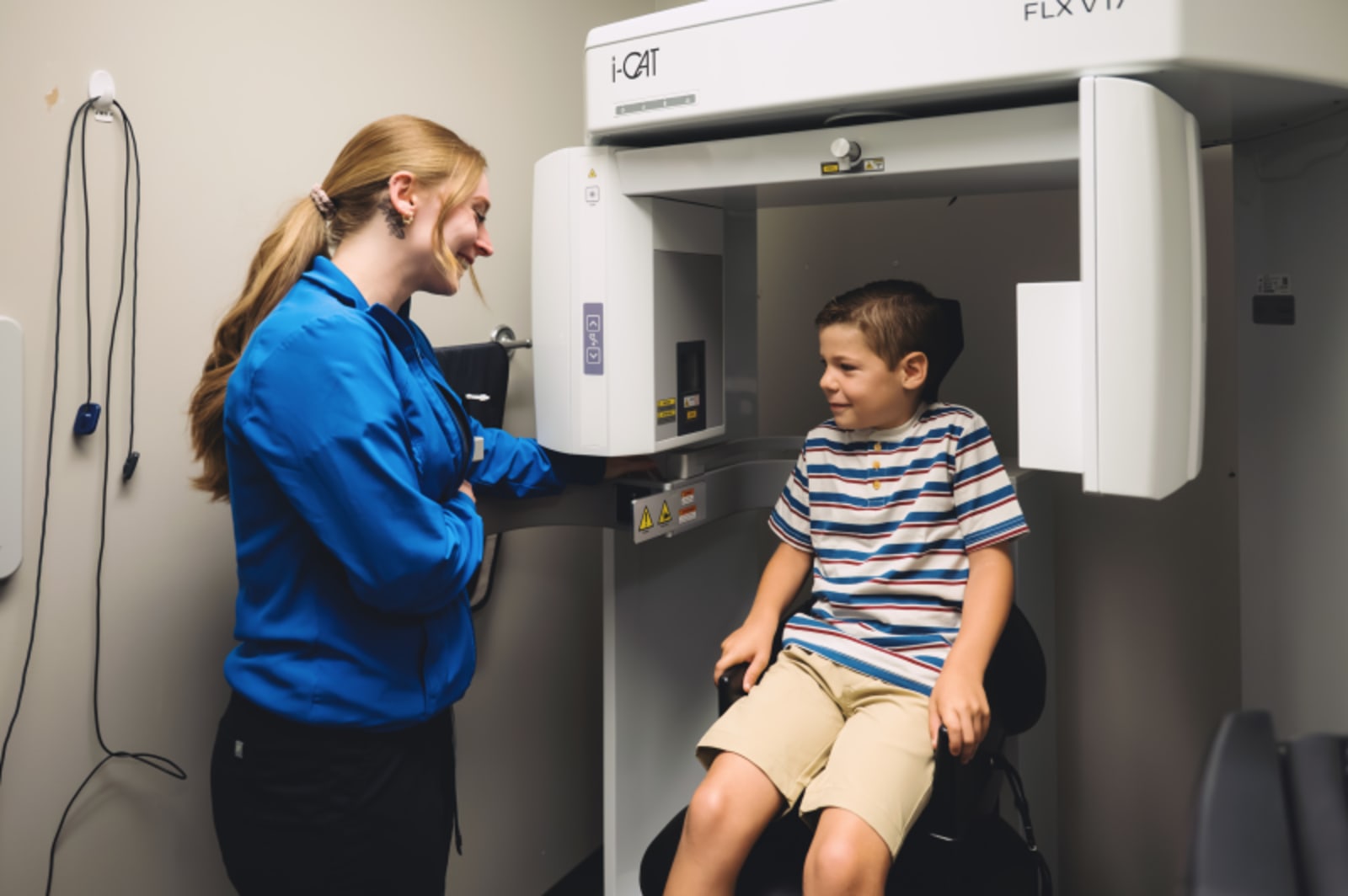
One of the most effective anxiety-management techniques in pediatric dentistry doesn't involve medication or specialized equipment. It's a communication method called Tell-Show-Do, and it's designed to replace uncertainty with understanding.
Before introducing a new instrument or procedure, the dentist explains what will happen using simple, age-appropriate language. Next, they demonstrate it, often on a model or on the child's hand, so the experience becomes familiar rather than surprising. Only after the child has seen and understood what's happening does treatment begin.
This gradual approach helps reduce one of the biggest drivers of childhood anxiety: fear of the unknown. When children know what to expect, they're often more willing to participate and less likely to become overwhelmed by unexpected sensations.
Tell-Show-Do also helps build trust. Children learn that nothing will happen without an explanation first, and that their care team respects them enough to prepare them instead of rushing ahead. That sense of predictability often carries into future appointments, making each visit a little easier than the last.
Following the Child's Pace
Helping an anxious child feel comfortable isn't just about what happens during treatment. It's also about when it happens. Every child adapts at a different pace, and allowing them a little extra time can make a meaningful difference in how they experience dental care.
For some children, that means agreeing on a simple hand signal before treatment begins so they know they can ask for a break. Others benefit from pausing between steps to ask questions or simply catch their breath before moving forward. Small moments like these help children feel involved instead of overwhelmed.
Sometimes the most productive first appointment doesn't include a cleaning or treatment at all. Meeting the team, exploring the office, sitting in the dental chair, and leaving with a positive experience can be an important first step for children with significant anxiety. Building trust often happens over multiple visits, and that foundation can make future care much smoother.
Rather than expecting every child to adapt to the same appointment structure, pediatric dentists who focus on anxiety management adjust the experience to fit the child. Giving children the time they need to feel safe often leads to better cooperation, less stress, and more positive dental experiences over the long term.
Why the Dental Environment Matters

Helping children feel comfortable starts long before a dental examination begins. From the moment they walk through the door, the environment around them influences how safe, relaxed, or anxious they feel. For young children especially, those first impressions can shape the entire appointment.
A pediatric dental office is designed differently because children experience healthcare differently. Bright lights, unfamiliar sounds, strong clinical smells, or feeling rushed can all heighten anxiety before a child even reaches the dental chair. On the other hand, a welcoming environment, friendly interactions, and a calm pace can help children settle in and approach the visit with greater confidence.
When you're choosing a pediatric dental practice, it's worth paying attention to more than clinical credentials. Notice how the team greets your child, whether they speak directly to them, and whether the appointment feels child-centered rather than hurried. Those details often reflect a practice's overall philosophy of care just as much as the treatment itself.
At Granville Pediatric Dentistry, Dr. Matthew Pingel focuses on creating a positive experience begins the moment families arrive. Every interaction is designed to help children feel respected, supported, and comfortable before treatment ever begins.
When Children Need Additional Support
Many children respond well to patient communication, gradual pacing, and a child-friendly environment. For others, those strategies may not be enough, and that's perfectly okay.
Some children have significant dental anxiety, sensory sensitivities, developmental differences, or treatment needs that make it difficult to complete care comfortably. In these situations, additional support can help children receive the treatment they need without creating a stressful or overwhelming experience.
Depending on your child's needs, options such as nitrous oxide or other forms of pediatric sedation may be appropriate. These aren't considered a first choice for every child, nor are they a last resort. They're simply one part of providing individualized care when it's clinically appropriate.
If you're unsure whether your child might benefit from additional comfort measures, that's a conversation we'll have together before treatment begins. We'll explain your options, answer your questions, and recommend the approach that best fits your child's needs.
How Parents Can Help Reduce Dental Anxiety
Parents play an important role in shaping how children approach dental visits, and that preparation often starts before the day of the appointment.
The language you use can make a surprising difference. Rather than saying, "Don't worry—it won't hurt," try describing the visit in simple, matter-of-fact terms. Let your child know the dentist will count their teeth, use a small mirror to look around, and clean their teeth with special tools designed just for kids. Clear, honest explanations tend to build more confidence than repeated reassurance.
You can also help your child feel more prepared by reading books about visiting the dentist, playing "dentist" at home, or answering questions calmly without adding unnecessary details. Children often take emotional cues from the adults around them, so your own calm confidence can go a long way.
Just as importantly, share what you know about your child with the dental team. Whether they have sensory sensitivities, previous dental experiences, or techniques that help them feel comfortable, those details allow us to tailor the visit to your child from the very beginning.
Finding a Pediatric Dentist Your Child Can Trust

Every child approaches dental care differently, which is why finding the right pediatric dentist can have such a lasting impact. Beyond clinical expertise, you're looking for a team that takes time to understand your child's personality, comfort level, and individual needs.
A positive experience during childhood often lays the foundation for a lifetime of healthy dental habits. When children feel heard, respected, and supported, they're much more likely to approach future appointments with confidence instead of fear.
At Granville Pediatric Dentistry, we believe anxiety management begins with relationships. We take time to get to know each child, communicate at their level, and adapt our approach so visits feel as comfortable and positive as possible.
If you're looking for a pediatric dentist in Granville who understands that every child is different, we'd love to meet your family. Call us at (740) 587-7000 to schedule an appointment or ask any questions before your first visit. We're here to help your child build confidence in dental care, one visit at a time.
Come
on over!
Call (740) 587-7000 or request an appointment online to set up your first visit. We’ll be in touch soon.