




Minimally Invasive Dentistry vs. Traditional Dentistry: What's the Difference?
Many parents assume that pediatric dental care is essentially the same from one practice to the next. While every dentist shares the goal of helping children achieve healthy smiles, the philosophy behind that care can look very different. One of the biggest differences is how a practice approaches the prevention and treatment of dental disease.
Traditional dentistry has long focused on repairing teeth after damage has occurred. Minimally invasive dentistry takes a different approach by emphasizing prevention, early detection, and preserving as much healthy tooth structure as possible. Rather than treating cavities as isolated problems, it looks at why decay developed in the first place and how future problems can be prevented.
At Granville Pediatric Dentistry, Dr. Pingel has built the practice around this preventive, minimally invasive philosophy because children's oral health is about far more than treating teeth. A child's mouth is closely connected to how they eat, breathe, sleep, and develop, which is why every recommendation considers the bigger picture of their growth rather than focusing solely on repairing damage.
In this guide, we'll explain how minimally invasive dentistry differs from more traditional approaches, what that means during routine dental visits and cavity treatment, and why many families choose this model of care for their children.
Key Takeaways
- Minimally invasive dentistry focuses on preventing dental disease, preserving healthy tooth structure, and treating the underlying causes of decay whenever possible.
- Traditional dentistry typically treats problems after they have developed, while minimally invasive dentistry emphasizes early detection and intervention before significant damage occurs.
- Early-stage tooth decay can sometimes be managed without drilling by supporting the tooth's natural remineralization process and reducing the factors that caused the decay.
- When restorative treatment is necessary, minimally invasive dentistry removes as little healthy tooth structure as possible while effectively treating the affected area.
- A child's diet, oral hygiene habits, airway health, and overall oral environment all play an important role in their long-term dental health, making prevention an essential part of care.
What "Minimally Invasive" Actually Means in a Pediatric Setting

If you've explored Granville Pediatric Dentistry, you've probably seen the phrase minimally invasive dentistry more than once. It's more than a treatment style or a collection of technologies—it's a philosophy of care that shapes every decision we make.
Rather than waiting for disease to progress before intervening, minimally invasive dentistry focuses on identifying concerns early, protecting healthy tooth structure, and supporting the mouth's natural ability to stay healthy whenever possible. The goal is always to provide the least invasive treatment that will achieve a healthy, lasting outcome.
This approach is especially valuable for children because their mouths are constantly growing and changing. Early intervention often creates opportunities to prevent larger problems, helping children avoid more extensive treatment later while preserving as much of their natural tooth structure as possible.
Our approach is built around four core principles:
- Early detection by identifying areas of concern before significant damage develops.
- Prevention and remineralization whenever early decay can be stabilized without restorative treatment.
- Conservative treatment that preserves healthy tooth structure when restorative care is necessary.
- Addressing underlying causes by evaluating diet, oral hygiene habits, saliva, airway health, and other factors that influence cavity risk.
Because no two children have the same risk factors or developmental patterns, minimally invasive dentistry also emphasizes individualized care rather than applying the same treatment plan to every child.
How Each Approach Handles Cavities Differently
One of the clearest ways to understand minimally invasive dentistry is to look at how it approaches cavities.
For many years, dental care focused primarily on repairing teeth after decay had already created permanent damage. While restorative treatment remains an important part of dentistry, we now understand that tooth decay is a disease process that often begins long before a cavity forms. Recognizing those early changes creates opportunities to intervene sooner and, in some cases, avoid more invasive treatment altogether.
When we detect very early enamel changes, our first priority is determining whether the tooth can be strengthened rather than restored. Depending on your child's individual needs, treatment may include improving home care, making dietary adjustments, increasing fluoride exposure, or scheduling closer monitoring to ensure the area remains stable.
If decay progresses beyond the point where the tooth can repair itself, restorative treatment becomes the healthiest option. Even then, the goal remains the same: remove only the damaged tooth structure while preserving as much healthy enamel and dentin as possible.
Depending on the situation, treatment may include materials and techniques that support a minimally invasive approach, such as:
- Silver diamine fluoride (SDF) to help arrest certain areas of decay without drilling in appropriate cases.
- Glass ionomer restorations, which bond to the tooth while continuously releasing fluoride to help protect against future decay.
- Conservative composite restorations designed to preserve healthy tooth structure whenever possible.
Minimally invasive dentistry isn't about avoiding treatment, but rather about providing the right treatment at the right stage of disease. Every recommendation is based on your child's individual needs, with the goal of preserving healthy teeth for as long as possible.
Prevention Starts Before a Cavity Forms
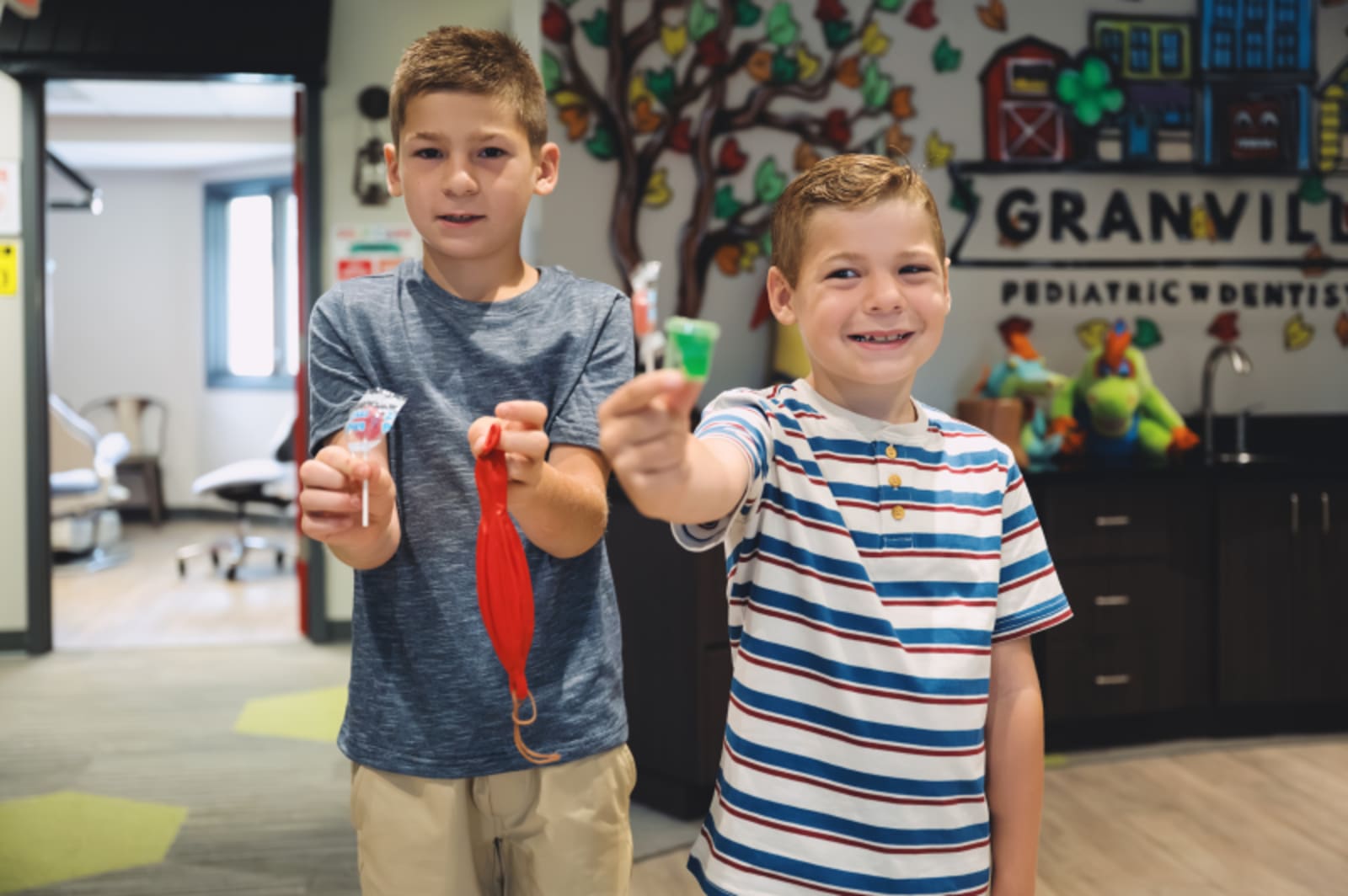
Treating a cavity is important, but one of the most valuable questions in pediatric dentistry comes before treatment ever begins: why did the cavity develop in the first place?
Tooth decay isn't simply the result of one missed brushing session. It's a disease process influenced by a combination of diet, oral hygiene, bacteria, saliva, enamel strength, and everyday habits. Understanding those factors allows us to create a care plan that's designed to reduce future problems, not just address the one that's already there.
That's why minimally invasive dentistry places such a strong emphasis on caries risk assessment. Rather than assuming every child has the same likelihood of developing cavities, we evaluate the factors that make each child's situation unique, including:
- Dietary habits, including how often sugary or acidic foods and drinks are consumed
- Saliva quality and flow, which naturally help protect teeth from decay
- Oral bacteria and family habits that may influence cavity risk
- Home brushing and flossing routines
- Previous history of cavities and other individual risk factors
Once we understand your child's risk profile, we can recommend preventive strategies that are tailored to their needs. For one child, that may mean additional fluoride treatments. For another, it may involve adjusting snack timing, improving brushing techniques, or monitoring areas that show the earliest signs of mineral loss before a cavity develops.
The main goal is to create an environment where healthy teeth are more likely to stay healthy as your child grows.
Why Comfort Matters in Pediatric Dentistry

A child's experience at the dentist can influence far more than a single appointment. Positive early visits help children build confidence, develop trust in dental care, and feel comfortable returning for routine preventive visits throughout childhood.
That's one reason minimally invasive dentistry places such a strong emphasis on comfort. When dental disease is identified early, treatment is often simpler and less invasive than waiting until decay has progressed. Smaller areas of treatment may require less drilling, less anesthesia, and shorter appointments, making the experience easier for many children.
Of course, every child is different. Some are naturally curious, while others need more reassurance or extra time to become comfortable. Creating a positive experience means adapting care to each child's individual needs rather than expecting every child to respond the same way.
Several factors contribute to a more comfortable dental visit:
- Explaining each step in age-appropriate language before it happens
- Moving at a pace that matches the child's comfort level
- Using the least invasive treatment appropriate for the situation
- Creating opportunities for children to feel involved and supported throughout the visit
At Granville Pediatric Dentistry, we believe emotional comfort is an important part of clinical care. We take the time to build trust, answer questions, and help children feel confident during every appointment. That approach not only makes today's visit easier, but it also helps establish positive dental experiences that can last well into adulthood.
Does Minimally Invasive Dentistry Look Different for Baby Teeth and Permanent Teeth?
One of the most common questions parents ask is, "Does it really matter if it's just a baby tooth?" The answer is yes.
Primary (baby) teeth play an important role in your child's development. They help children chew comfortably, support clear speech, maintain space for permanent teeth, and guide healthy jaw growth. When a baby tooth is lost too early because of untreated decay, neighboring teeth can shift into the space, making it more difficult for permanent teeth to erupt properly and sometimes increasing the need for orthodontic treatment later.
That doesn't mean every tooth is treated exactly the same. A minimally invasive approach always considers where a tooth is in its natural life cycle. A baby tooth that will naturally exfoliate in the near future may call for a different treatment plan than a permanent molar that's expected to last for decades.
When making recommendations, we look at the full clinical picture, including your child's age, the size and progression of the cavity, how long the tooth is expected to remain in place, and whether it plays an important role in maintaining spacing or function. The goal is always the same: preserve healthy tooth structure whenever possible while protecting your child's long-term oral health.
Questions to Ask When Choosing a Pediatric Dentist
Finding the right pediatric dentist isn't just about location or office hours. It's also about finding a practice whose philosophy matches the kind of care you want for your child.
Asking a few thoughtful questions during a consultation can tell you a great deal about how a practice approaches prevention and treatment. For example, you might ask how they decide whether a cavity needs to be treated right away or monitored, whether they perform individualized cavity risk assessments, or how they help children feel comfortable during appointments. It's also worth asking how parents are involved in treatment decisions and whether the practice routinely monitors jaw growth, bite development, and other aspects of oral development as children grow.
There aren't "right" or "wrong" answers to these questions, but a practice that welcomes the conversation and takes time to explain its recommendations often makes it easier for parents to feel informed and confident about their child's care.
How Granville Pediatric Dentistry Puts These Principles Into Practice
At Granville Pediatric Dentistry, minimally invasive dentistry isn't a separate service or treatment option. It's the philosophy that guides every appointment.
Rather than focusing only on the condition of individual teeth, we look at your child's overall oral health, growth, and risk factors before recommending treatment. Every visit helps us understand not only what's happening today but also how your child's mouth is developing over time.
When something needs attention, we believe parents deserve clear explanations instead of complicated dental terminology. We'll walk you through what we're seeing, explain why it matters, discuss the available options, and answer your questions before any decisions are made.
Sometimes that means simply monitoring an area that's stable and unlikely to progress. Other times it means recommending preventive strategies to lower future cavity risk or providing conservative restorative treatment when intervention is the healthiest choice. Whatever the recommendation, it's based on your child's individual needs—not a predetermined treatment plan.
Our goal is to provide the right care at the right time while preserving as much healthy tooth structure as possible. By combining prevention, early detection, and individualized treatment planning, we help children build healthy smiles that support them well beyond childhood.
Helping Your Child Build a Lifetime of Healthy Smiles
Every family wants the same thing: a child who grows up with healthy teeth and confidence about visiting the dentist. The path to that doesn't begin with a filling or even a cleaning. It begins with a preventive approach that protects healthy teeth, catches concerns early, and creates positive experiences that make lifelong oral health easier to maintain.
That's the philosophy behind minimally invasive dentistry. Rather than waiting for problems to become larger, we focus on prevention, early intervention, and individualized care that supports your child's development at every stage. Our purpose is to help children build healthy habits and positive dental experiences that can last well into adulthood.
At Granville Pediatric Dentistry, every visit is designed around your child's unique needs. Whether they're coming in for their very first appointment, routine preventive care, or treatment for a developing concern, we take the time to explain our recommendations, answer your questions, and help your family make informed decisions with confidence.
When you're ready to schedule an appointment or simply have questions about your child's oral health, we'd be happy to help. Call our Granville office at (740) 587-7000, and our team will help you take the next step toward a lifetime of healthy smiles.
Come
on over!
Call (740) 587-7000 or request an appointment online to set up your first visit. We’ll be in touch soon.