



Is Nitrous Oxide Safe for Toddlers?
Many parents have questions about nitrous oxide before their child's dental appointment, especially if it's the first time sedation has been recommended. It's understandable to want to know how it works, whether it's safe, and what your child will actually experience during treatment.
The short answer is yes. Nitrous oxide has been used safely in pediatric dentistry for decades and is considered one of the safest forms of minimal sedation for healthy children when administered by trained dental professionals. Often called "laughing gas," it helps children feel calmer and more relaxed during dental treatment while allowing them to remain awake, responsive, and able to communicate throughout their appointment.
At Granville Pediatric Dentistry, Dr. Pingel recommends nitrous oxide only when it's appropriate for a child's age, health, and treatment needs. Every child is evaluated individually because the safest approach is always the one that's tailored to the child sitting in the chair.
In this guide, we'll explain how nitrous oxide works, when it's recommended, what the research says about its safety, how it compares to other sedation options, and what you can expect if your child receives it during a dental visit.
Key Takeaways
- Nitrous oxide is one of the safest and most commonly used forms of minimal sedation in pediatric dentistry.
- Children remain awake, responsive, and able to communicate throughout treatment.
- The effects begin within a few minutes and wear off quickly once the mask is removed.
- Most healthy toddlers and young children can safely receive nitrous oxide when it's recommended by a trained pediatric dental team.
- Not every child is a candidate. Age, medical history, nasal breathing, and the type of treatment all help determine whether nitrous oxide is appropriate.
- Your child's dentist will review their health history and discuss the benefits, risks, and alternatives before recommending any form of sedation.
How Nitrous Oxide Works
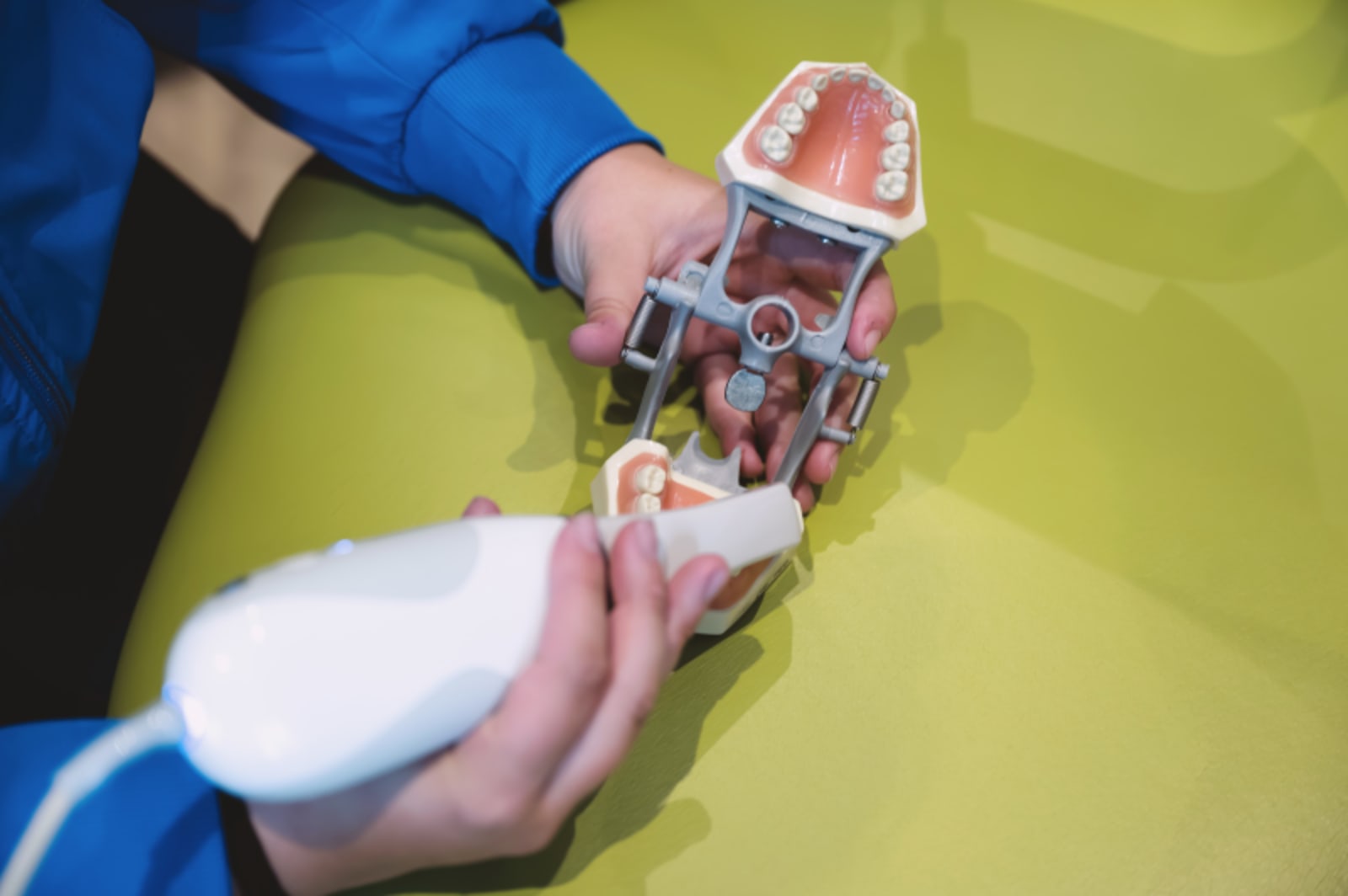
Nitrous oxide is a mild sedative that helps children feel calm and comfortable during dental treatment without putting them to sleep. It's delivered through a small nasal mask that provides a carefully controlled mixture of nitrous oxide and oxygen throughout the appointment.
After a few minutes of breathing normally through the mask, most children begin to feel relaxed. They may describe feeling warm, light, or slightly tingly, while many simply become less focused on the sounds and sensations of the dental procedure. Importantly, children remain awake, aware of their surroundings, and able to respond to questions or simple instructions during the entire visit.
One common misconception is that "laughing gas" makes children uncontrollably laugh or behave differently. In reality, the goal isn't to make children silly—it's to reduce anxiety and help them feel more comfortable so dental treatment can be completed safely.
Another advantage of nitrous oxide is how quickly it works and how quickly it leaves the body. Once treatment is complete, your child breathes pure oxygen for several minutes to help clear the gas from their system. Most children return to their normal activities shortly after leaving the office without the prolonged drowsiness associated with deeper forms of sedation.
Because the level of sedation can be adjusted throughout the appointment, nitrous oxide provides flexibility while maintaining a high level of safety for routine pediatric dental procedures.
Is Nitrous Oxide Right for Every Toddler?
Although nitrous oxide has an excellent safety record, it isn't the right choice for every child. Deciding whether it's appropriate depends on several factors, including your child's age, medical history, level of anxiety, and ability to cooperate during treatment.
Many toddlers and young children benefit from nitrous oxide because it helps them stay relaxed while remaining awake and engaged throughout the appointment. It can be especially helpful for children with mild dental anxiety, those undergoing longer procedures, or those who would otherwise have difficulty sitting comfortably for treatment.
There are situations, however, where another approach may be recommended. Children who cannot comfortably breathe through their nose because of congestion, certain respiratory conditions, or other medical concerns may not receive the full benefit of nitrous oxide. Likewise, very young toddlers who are unable to tolerate wearing the nasal mask or children with severe anxiety may require a different treatment plan.
Rather than relying on a standard protocol, we evaluate each child individually. During your child's appointment, we'll review their medical history, discuss your concerns, and determine whether nitrous oxide is the safest and most effective option for their specific needs.
If you'd like to learn more about how dentists determine whether nitrous oxide is appropriate for young children, our companion article explores the evaluation process in greater detail.
Potential Side Effects of Nitrous Oxide
Parents deserve a clear understanding of both the benefits and the potential side effects of any treatment their child receives. Fortunately, nitrous oxide has an excellent safety record, and most children tolerate it very well.
When side effects do occur, they're typically mild and temporary. Some children may experience slight nausea, lightheadedness, or a mild headache as the gas begins to wear off. Others may seem a little quieter or more tired than usual for a short period after the appointment. These effects generally resolve quickly and rarely require any additional care.
One of the most common questions we hear is whether nitrous oxide causes nausea. While it can happen, it's relatively uncommon, and following our pre-appointment instructions can help reduce the likelihood. In most cases, we recommend that children avoid eating a large meal immediately before their visit, although we'll provide specific guidance based on your child's age and planned treatment.
At the end of every appointment, your child breathes 100% oxygen for several minutes to help clear the nitrous oxide from their system. This recovery period allows most children to return to their usual activities shortly after leaving the office.
Serious complications associated with nitrous oxide are extremely rare when it's administered by trained dental professionals using established safety protocols. Throughout treatment, the concentration of nitrous oxide is carefully controlled to provide the lowest level needed to help your child remain comfortable.
How Our Team Monitors Your Child During a Nitrous Procedure

From the moment the nitrous oxide is administered until your child has fully recovered, a member of our team remains with them. We continuously observe their breathing, comfort level, and overall response while making adjustments as needed throughout the appointment. Because every child responds a little differently, the amount of nitrous oxide can be adjusted at any time to provide the appropriate level of relaxation while keeping your child awake, comfortable, and responsive.
A few things that are consistent across every nitrous appointment at our practice:
- Your child remains awake and able to respond to our team throughout the entire procedure
- Oxygen is delivered alongside the nitrous, not separately, which supports steady, comfortable breathing
- The concentration of nitrous is monitored and adjusted based on your child's real-time response
- Your child is never left unattended at any point during the appointment
- Our team is trained specifically in pediatric sedation protocols, not general dental sedation practices
Just as important as monitoring your child is keeping you informed. Before treatment begins, we'll explain exactly what to expect and answer any questions you may have. After the appointment, we'll review how your child did, provide any post-treatment instructions, and make sure they're feeling back to normal before heading home.
How Nitrous Oxide Compares to Other Sedation Options
If your child is anxious about dental treatment, nitrous oxide isn't the only option available. Pediatric dentists generally recommend the least invasive approach that allows treatment to be completed safely and comfortably, and the right choice depends on your child's age, medical history, anxiety level, and treatment needs.
Behavioral Guidance (No Sedation)
For many children, especially those with mild anxiety, no medication is needed. Techniques like age-appropriate communication, positive reinforcement, distraction, and pacing are often enough to help a child feel comfortable throughout their visit.
Nitrous Oxide (Minimal Sedation)
Nitrous oxide helps children relax while remaining awake and responsive. It's inhaled through a small nasal mask, begins working within minutes, and wears off quickly once the appointment is complete. For many routine procedures, it provides just enough support without affecting the rest of the day.
Oral Conscious Sedation
Oral sedation uses medication taken before the appointment to create a deeper sense of relaxation. Children remain conscious but are generally much sleepier than they would be with nitrous oxide. Because the effects last longer, recovery takes more time and children require supervision after returning home.
In-Office General Anesthesia
For some children, the safest option is completing treatment while they're fully asleep. In-office general anesthesia may be recommended for very young children, those with special healthcare needs, or children requiring extensive dental work who cannot comfortably receive treatment using lighter forms of sedation. Throughout the procedure, an anesthesia professional continuously monitors your child's safety.
Every child is different, which is why there isn't a one-size-fits-all approach to sedation. During your consultation, we'll discuss your child's medical history, comfort level, and treatment needs before recommending the option that's most appropriate.
Untreated Dental Anxiety in Toddlers Is Also a Risk
When parents are deciding whether sedation is the right choice, it's natural to focus on the risks of the medication itself. But it's equally important to consider what can happen if necessary dental treatment is delayed. Every decision involves weighing benefits and risks, and understanding both sides helps you make the choice that's best for your child.
Tooth decay doesn't stop on its own. Left untreated, a small cavity can continue to grow until it reaches the inner part of the tooth, turning what may have started as a simple filling into a more complex procedure. In baby teeth, untreated infection can also affect the health of the permanent tooth developing beneath it, making early treatment an important part of protecting your child's future smile.
There's another piece of the picture that's just as important: your child's experience. A toddler who is frightened or unable to cooperate during treatment may remember that experience long after the appointment is over. Those early experiences can influence how a child feels about dental care for years to come, making routine checkups and preventive visits more stressful than they need to be.
When treatment is delayed or a child is unable to receive the care they need, the consequences can include:
- More extensive dental treatment as decay progresses
- Pain or infection that affects eating, sleeping, and daily comfort
- A greater likelihood of needing more involved treatment later
- Ongoing dental anxiety that makes future appointments more challenging
This doesn't mean sedation is the right answer for every child. In many cases, behavioral guidance or other minimally invasive approaches are all that's needed. But when sedation is recommended, it's because the goal is to provide treatment in a way that's both safe and emotionally supportive. Helping children have positive dental experiences today can make a meaningful difference in how they approach oral healthcare throughout their lives.
If you'd like to learn more about how early dental experiences can shape lifelong oral health habits, our companion article on childhood dental anxiety explores the topic in greater detail.
Frequently Asked Questions
Is it safe for a three-year-old?
Yes, for most healthy children, nitrous oxide is considered a well-established option in pediatric dentistry. We do a health review before recommending it, and we adjust the concentration based on your child's size and response. If anything in your child's history gives us pause, we'll tell you before we proceed.
Will my child remember it?
Probably not much. Nitrous oxide doesn't put kids to sleep, but it does create a relaxed, floaty feeling that tends to make the appointment feel shorter and less significant. Most kids walk out calm and move on with their day.
Can I be in the room?
We encourage it, especially for younger children. Having a familiar face nearby makes a real difference for a lot of kids, and we want you to feel like a participant, not someone waiting in the hall.
What if my child won't keep the mask on?
It happens. We don't force it. If a child is too distressed to cooperate, we stop and talk through other options with you. There's no pressure, and there's no single right path for every child.
What if something goes wrong?
Nitrous oxide wears off quickly once the mask is removed, which is part of why it's used so widely in pediatric settings. Our team monitors your child throughout the appointment.
How Granville Pediatric Dentistry Helps Families Make Sedation Decisions

Choosing whether your child should receive nitrous oxide isn't a decision you have to make on your own. Our role is to understand your child's needs, explain your options clearly, and recommend the approach that offers the greatest balance of safety, comfort, and effective care.
Before recommending any form of sedation, we take time to review your child's medical history, developmental stage, previous dental experiences, and the treatment they're receiving. We also want to understand your concerns as a parent, because feeling informed and confident is an important part of your child's care.
If nitrous oxide is appropriate, we'll explain exactly why we're recommending it, what your child can expect during the appointment, and how we'll monitor them throughout treatment. If another approach would better support your child's needs, we'll discuss those options as well.
Because children aren't simply small adults, every sedation decision is made with their physical, emotional, and developmental needs in mind. We believe that helping children have positive dental experiences today builds confidence that can last well into adulthood.
Ready to Talk About Your Child's Options?
If you're wondering whether nitrous oxide is the right choice for your child, we'd be happy to help you make an informed decision. Whether your child has an upcoming procedure or you're simply planning ahead, we're here to answer your questions and explain your options without pressure.
During your visit, we'll review your child's health history, discuss the recommended treatment, and determine whether nitrous oxide, or another approach, is the best fit for their needs. Our goal is to help your child receive the care they need while feeling as comfortable and supported as possible.
To schedule an appointment or speak with a member of our team, call (740) 587-7000. We look forward to helping your family feel confident about every step of your child's dental care.
Come
on over!
Call (740) 587-7000 or request an appointment online to set up your first visit. We’ll be in touch soon.